
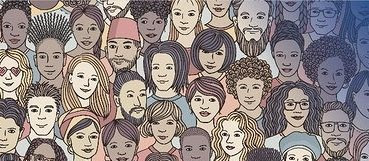
The International Day for the Elimination of Racial Discrimination is observed on 21 March. It commemorates the day in 1960 when police in Sharpeville, South Africa, killed 69 people at a peaceful protest against apartheid pass laws. The United Nations’ observance asks us to remember that history and act against discrimination.
The day is also an opportunity to examine how racism works now. Equality requires more than a declaration of good intentions: it calls for attention to the everyday practices and institutions that exclude people or treat them as less worthy.
Racism can change its form
Racism assigns superiority or inferiority to people on the basis of perceived race. Such hierarchies are social constructions, not a sound basis for judging anyone’s worth. They can appear through stereotypes, profiling, exclusion, violence or institutional practices.
Technology can reproduce unequal treatment as well. A 2019 NIST evaluation found demographic differences in the accuracy of many facial-recognition algorithms, with results varying by system and application. This does not establish that every algorithm was deliberately designed to discriminate. It does show why testing, accountability and attention to consequences matter when automated systems affect people’s lives.
Learning from history and public incidents
Racist exclusion is not new. The UK National Archives’ collection on Elizabeth I describes late-sixteenth-century proclamations seeking the expulsion of Black people from England. Such measures remind us how authorities can turn prejudice into policy.
The Holocaust provides a devastating example of organised persecution. The Nazi regime and its allies and collaborators murdered six million Jews. The United States Holocaust Memorial Museum documents the systematic nature of that persecution and murder. Remembering it requires confronting antisemitism, not reducing the events to a vague history of intolerance.
Racism also surfaces in contemporary public life. During the January 2021 Sydney cricket Test, Mohammed Siraj reported racial abuse, prompting an investigation. Cricket Australia’s coverage of the incident records the complaint and the response. Sport cannot be inclusive if participants are expected to tolerate such hostility.
Online harassment can make public participation difficult too. When discussing an individual controversy, we should distinguish verified facts from allegations and avoid spreading a simplified account that creates further harm. Challenging racism requires care with evidence as well as conviction.
The protests associated with Black Lives Matter after George Floyd’s death showed how strongly people, including many young people, wanted to challenge racial injustice. Visible solidarity matters, but less visible forms of discrimination require continued attention after a protest or news cycle ends.
Prejudice during a crisis
Social media can connect people across differences, yet it can also amplify stereotypes and misinformation. In its 2021 discussion of tolerance, UNESCO described calls for social and economic boycotts of religious minorities in India and Sri Lanka amid false accusations about spreading COVID-19. Blaming a community for a crisis replaces evidence with suspicion.
Discrimination can overlap with barriers to housing, work and healthcare. A United Nations discussion during COVID-19 highlighted the connection between the pandemic and existing inequalities. Women and girls may also experience racial discrimination alongside gender-based prejudice. Understanding these overlapping experiences helps us see why a single response may not meet everyone’s needs.
What we can do
Education can help young people recognise stereotypes, understand history and question unfair assumptions. Learning about a multicultural society should involve listening to people’s experiences, not merely celebrating difference at a distance.
Art can open that conversation too. Songs such as Michael Jackson’s “Black or White” and A. R. Rahman’s “Infinite Love” come to mind when I think about music that crosses boundaries. Artists can encourage connection, while listeners must carry those values into everyday conduct.
Young people should have opportunities to identify how racial profiling and exclusion operate, including in apparently ordinary behaviour. The aim is to make equality a practice: challenge an unfair joke, question a stereotype and support someone whose concerns are being dismissed.
Student exchanges and other opportunities to learn across cultures can broaden understanding. Their formats and duration vary, but their value lies in meaningful contact and reflection rather than travel alone.
Intercultural dialogue can help people move beyond assumptions when it is based on curiosity, respect and a willingness to listen. It should complement equal access to institutions and opportunities.
UNESCO’s anti-racism masterclasses provide one example of organised learning for young people. Its work connects education with participation and the ability to recognise discriminatory behaviour.
The International Coalition of Inclusive and Sustainable Cities also creates a space for local authorities to share approaches to inclusion. Schools, workplaces, neighbourhoods and cities all have a part to play.
Laws, public policies, education and institutional accountability need to work together. No single workshop or awareness day can replace that sustained effort.
Celebrating diversity means more when people can participate with dignity and equal respect. Ending racism begins in our own conduct, but it also requires changing the conditions that allow discrimination to continue.