
 |
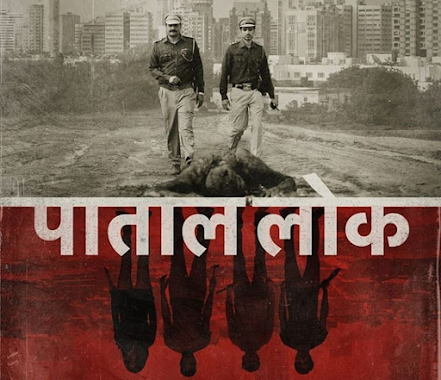
Paatal Lok is a nine-episode investigative thriller. An apparent assassination attempt on a high-profile journalist brings four suspects into a police investigation. As the inspector follows their motives and histories, a seemingly straightforward case leads him into a much darker world.
Mythological references give the story another layer. Swarg Lok, Dharti Lok and Paatal Lok—heaven, earth and the underworld—become a way of looking at divisions within society. The series contains brutal violence, but its concerns extend beyond crime: political influence, corruption, favouritism, caste violence, discrimination against minorities, the suppression of expression, misinformation and sensational news all shape its world.
Three worlds within one society
Swarg Lok: privilege and influence
The wealthy and powerful occupy the series’ version of heaven. Their public reputations can conceal the compromises behind their comfort. They influence public opinion and use their access to powerful institutions to protect their interests. The contrast between a respectable image and private conduct is central to the story.
Dharti Lok: work and aspiration
Between privilege and deprivation stand people who work to improve their lives. Their labour keeps society moving, yet their opportunities are constrained by hierarchy and dependence on people above them. The series explores the frustration of trying to advance while being expected to obey.
Paatal Lok: life at the margins
The underworld contains criminals, but it also brings us close to people deprived of security, dignity and basic opportunities. The characters’ histories complicate easy labels. Poverty does not make a person criminal; the series asks us to examine the violence and exclusion surrounding particular lives before judging them.
How the three worlds depend on each other
These worlds are connected through cooperation, conflict and exploitation. Powerful people draw on the work of others and sometimes use those already pushed to the margins to pursue their own interests. Greed, frustrated aspirations and inherited exclusion feed a cycle of violence. The investigation gradually exposes relationships that a simple account of good people and bad people would miss.
Looking beyond appearances
My strongest takeaway is that the image we form of another person may be incomplete or misleading. Status and a carefully managed reputation are poor substitutes for character. Compassion begins with treating people with dignity, looking beyond appearances and recognising that a human life is larger than a label.
